Exploring the Enchanting World of OrientalBeauty: A Journey with TMT PLAY
Dive into the captivating universe of OrientalBeauty, a game that intertwines tradition with modern gaming experiences, brought to you by TMT PLAY.


Sabong games, also known as cockfighting, have a long and storied history, particularly in cultures across Southeast Asia. These games, renowned for their thrilling nature, hold a special place in traditional folklore and have spread to other parts of the world. The term "TMT PLAY" has emerged as a crucial keyword in the modern discourse around Sabong, marking its significance in both the historical and contemporary landscape.
Rooted deep in history, Sabong games date back to ancient times, where they served as a form of entertainment and a symbol of prestige. The sport was notably prominent in the Philippines and other parts of Asia, where it was part of cultural rituals and festivities.
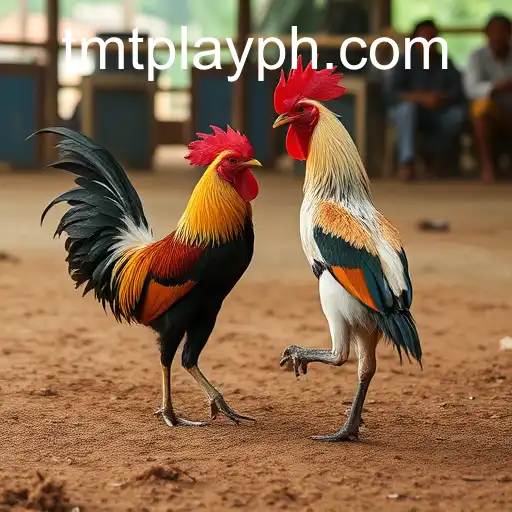
Historically, kings and nobility were often the primary patrons of sabong, making it a reflection of social status. The battles, which were both a show of bravado and skill, involved specially bred roosters prepared for combat. Each match was a showcase of strategy, breeding expertise, and understanding of animal behavior, with handlers priding themselves on the prowess of their game birds.
In recent years, TMT PLAY has become synonymous with the digital transformation of sabong games. With technological advancements, these age-old contests have transcended traditional settings, moving into online platforms that cater to a global audience. The digital arena has not only made these games more accessible but also infused them with new elements that attract a younger, tech-savvy generation.
TMT PLAY has transformed the way participants engage with sabong, turning it into a fusion of classic strategy and modern gaming techniques. Through online platforms, enthusiasts experience the thrill of matches in a virtual environment, allowing them to participate remotely and enjoy enhanced interactive features.
Beyond entertainment, sabong carries significant cultural weight. In many communities, it is viewed as an expression of local traditions and social cohesion. The transition to TMT PLAY has expanded its cultural impact by introducing it to a broader audience while retaining its traditional essence.
Communities that participate in sabong often see it as a method of preserving heritage. With the advent of TMT PLAY, this cultural heritage is not lost but rather amplified through digital means, ensuring that new generations can connect with their roots in a modern context.
Despite its cultural and historical significance, sabong and its modern variations through TMT PLAY face criticism and challenges. Animal rights activists have raised concerns about the ethical dimensions of cockfighting, leading to debates on the treatment of animals involved in these games.
Furthermore, the shift to an online platform has raised questions about regulation and the potential for gambling addictions. Critics argue that without proper control, the digital iteration of traditional sabong might lead to negative societal impacts.
The future of sabong, especially in its TMT PLAY format, lies in balancing tradition with ethical responsibility. Ensuring the welfare of animals, introducing fair regulations, and fostering an environment of responsible gaming are key elements to sustaining this age-old tradition in contemporary society.
Organizations and platforms offering sabong games through TMT PLAY initiatives need to address these challenges by implementing stringent guidelines to protect animal welfare and regulate gameplay to prevent issues like gambling addiction.
However, with the right balance, the digital transformation seen in TMT PLAY can bring a new era for sabong games, enriching cultural heritage while embracing the benefits of modern technology. This approach ensures the preservation of cultural identity, addresses valid ethical concerns, and opens up new avenues for global audience engagement.
In examining the rich tapestry of sabong games and the modern twist introduced by TMT PLAY, it is clear that these games symbolize more than just competition. They represent cultural heritage, evolving traditions, and the possibilities that arise when new generations embrace historical practices using innovative technologies. As the landscape of sabong continues to evolve, maintaining a balance between tradition and modernity remains crucial to ensuring its legacy endures.
If you're looking for a reliable, fully licensed, and secure sportsbook with a wide selection of games, TMT PLAY is the perfect choice. We're committed to providing you with the best online betting experience, with premium quality, excellent service, and continuous innovation. Sign up now and receive ₱777 for free!
Join now
Get the latest information, experience and betting strategies from the expert team at TMT PLAY.
Dive into the captivating universe of OrientalBeauty, a game that intertwines tradition with modern gaming experiences, brought to you by TMT PLAY.

Discover the captivating adventure of WolfPowerMega, a game by TMT PLAY that combines strategy, skill, and an interactive storyline.

Dive into the captivating world of TempleofDeadBonusBuy by TMT PLAY, a game that combines strategy, excitement, and current events.

Explore the exhilarating universe of TREASURECRUISE, an engaging game that combines strategy and adventure. Discover its introduction, detailed rules, and how it integrates into contemporary gaming landscapes.

Explore the dynamic world of BattleRoostersBonusBuy, an engaging game by TMT PLAY, offering thrilling battles and strategic gameplay. Dive deep into the rules and innovative features that make it a standout in the gaming industry.

An engaging exploration of the captivating game 3LuxorPots and the gaming dynamics introduced by TMT PLAY.
 Join now